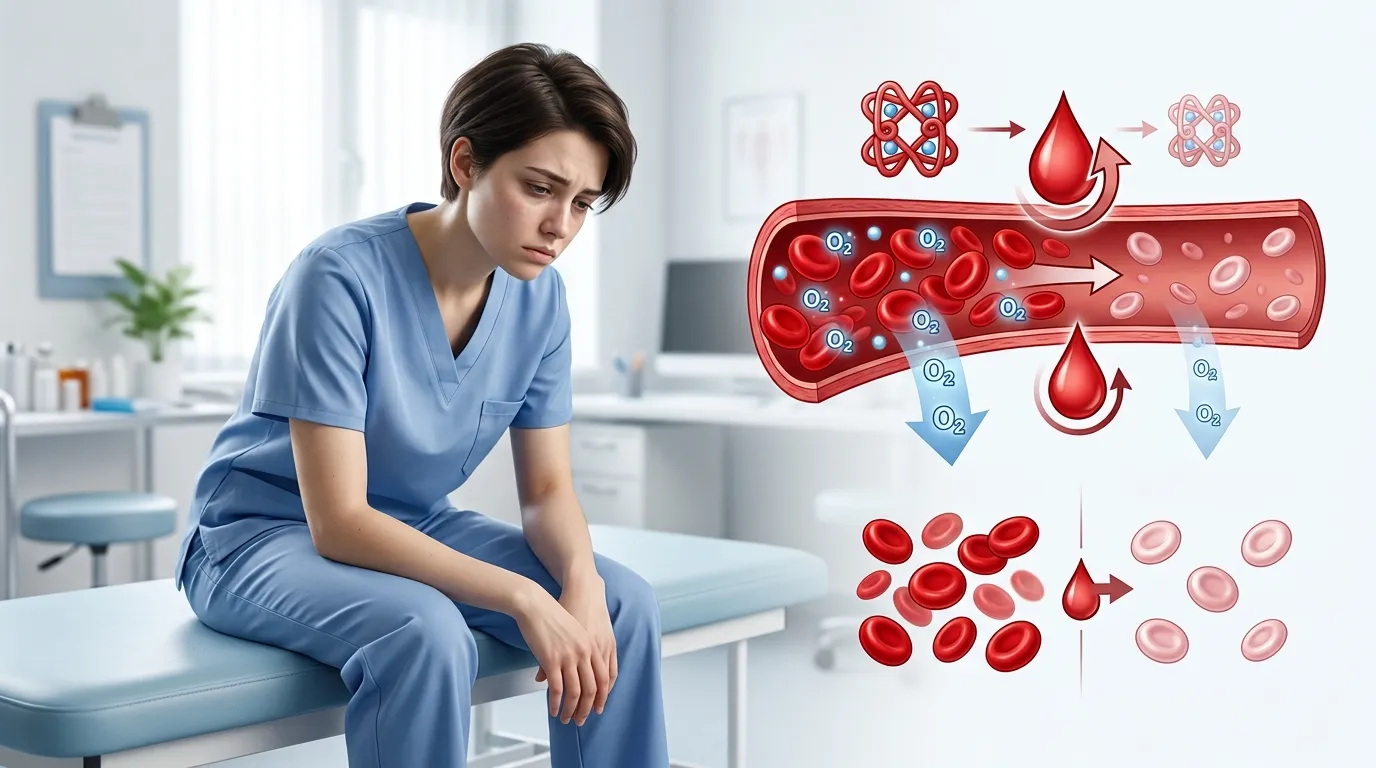
I still remember the time when I felt tired no matter how much I slept. Climbing a few stairs left me out of breath, and I often felt dizzy for no clear reason. At first, I thought I was just overworked or not getting enough rest.
But when the weakness continued, I decided to visit my doctor. After a few blood tests, I learned that I had anemia. I had heard the word before, but I never really understood what anemia meant until it affected my own life.
My doctor explained that anemia happens when your body doesn’t have enough healthy red blood cells or hemoglobin to carry oxygen properly.
With the right treatment, healthier food, and regular checkups, I slowly regained my energy. If you’ve been wondering, “What does anemia mean?” you’re in the right place. I’ll explain it in simple words and share what I learned from my own experience.
What Does Anemia Mean? – Quick Meaning
Anemia means having fewer healthy red blood cells or less hemoglobin than the body needs to carry enough oxygen throughout the body.
Hemoglobin is a protein inside red blood cells that carries oxygen from the lungs to different parts of the body. When hemoglobin levels are low, the body may not receive enough oxygen, which can lead to tiredness and other symptoms.
Simple examples of what anemia may involve:
- A person feeling unusually tired even after enough rest.
- Low iron levels causing a decrease in red blood cell production.
- Feeling weak or dizzy because the body is not getting enough oxygen.
- A doctor finding low hemoglobin levels during a blood test.
- Someone needing treatment to improve their blood health.
In simple terms, anemia is a condition where the blood cannot deliver oxygen as efficiently as it should.
Origin & Background of Anemia
The word anemia comes from the Greek words meaning “without blood.” The term was created from ancient medical language to describe conditions where a person appeared to have less blood or reduced blood strength.
For centuries, doctors noticed that some people experienced extreme tiredness, pale skin, and weakness. Over time, medical science discovered that these symptoms were often connected to problems with red blood cells and hemoglobin.
As blood testing improved, doctors learned that anemia was not just about losing blood. It could also happen because the body does not produce enough red blood cells, destroys them too quickly, or lacks important nutrients like iron.
Today, anemia is one of the most recognized blood conditions worldwide. It matters because oxygen plays a major role in keeping muscles, organs, and the brain working properly.
Modern healthcare can identify different types of anemia through blood tests and help people manage the condition through diet changes, supplements, medicines, or other treatments depending on the cause.
Real-Life Conversations About Anemia
People often mention anemia when discussing health, energy levels, or medical results. Here are some natural examples:
WhatsApp Chat
Sara: I feel tired all the time lately.
Maya: Did you check your blood levels? Sometimes low iron can cause anemia.
Sara: I should probably get a test done.
Instagram DM
User 1: Your health post helped me understand anemia better.
User 2: Same! I never knew low iron could affect energy so much.
TikTok Comments
Comment: Why do I feel sleepy all day?
Reply: It could be many things, but some people experience fatigue because of anemia. It’s best to check with a healthcare professional.
Friends Talking
Alex: I’ve been feeling weak during workouts.
Chris: Maybe check your nutrition. Low iron or anemia can sometimes affect energy levels.
These examples show that anemia is usually discussed in health-related conversations rather than casual slang or entertainment topics.
Emotional & Psychological Meaning of Anemia
Although anemia is a physical health condition, it can also affect a person emotionally and mentally.
Many people with anemia describe feeling frustrated because they may not have the same energy they used to have. Everyday activities like working, studying, exercising, or spending time with family can feel more difficult when fatigue becomes constant.
Common emotional experiences may include:
- Feeling worried after seeing abnormal blood test results.
- Feeling frustrated because of low energy.
- Feeling stressed about managing health problems.
- Feeling less motivated due to tiredness.
- Feeling relieved after understanding the cause and getting help.
Anemia can also affect concentration. When the body struggles to receive enough oxygen, some people may experience difficulty focusing or feeling mentally tired.
Understanding anemia can reduce fear and confusion. Knowing the meaning behind the term helps people take informed steps instead of immediately assuming the worst.
Usage of Anemia in Different Contexts
The word anemia appears in different situations depending on where and how people are talking.
Social Media
On social platforms, people often discuss anemia while sharing health experiences, nutrition tips, or awareness posts. Users may talk about iron-rich foods, symptoms, or personal journeys.
Friends & Family
Family members may mention anemia when discussing someone’s tiredness, diet, or medical reports. It is commonly used when encouraging someone to take care of their health.
Professional Settings
In healthcare environments, anemia is used as a medical term. Doctors, nurses, and researchers use it when discussing blood tests, diagnosis, causes, and treatments.
Casual Conversation
People may casually say things like “I think I might be anemic” when they feel tired. However, only a medical professional and proper testing can confirm the condition.
Online Communities
Health forums and online groups often discuss anemia to share experiences, questions, and lifestyle advice. These communities can provide support, but medical guidance should come from qualified professionals.
Common Misunderstandings About Anemia
1. Anemia Always Means Blood Loss
Incorrect: Many people think anemia only happens after losing blood.
Correct: Blood loss is one possible cause, but anemia can also result from nutritional problems, medical conditions, or issues with red blood cell production.
2. Only Women Get Anemia
Incorrect: Some people believe anemia only affects women.
Correct: Anyone can develop anemia, including men, children, and older adults.
3. Feeling Tired Always Means Anemia
Incorrect: Not all tiredness is caused by anemia.
Correct: Fatigue can happen for many reasons, including stress, poor sleep, infections, or other health issues.
4. Eating More Iron Always Fixes Anemia
Incorrect: Iron-rich foods are not always the complete solution.
Correct: Treatment depends on the specific cause of anemia.
5. Anemia Is Always Serious
Incorrect: Some people believe every case of anemia is dangerous.
Correct: Anemia can range from mild to severe, and the right treatment depends on its type and cause.
Comparison Table: Anemia and Similar Terms
| Term | Meaning | Difference |
| Anemia | A condition where the body has low healthy red blood cells or low hemoglobin. | It directly affects oxygen delivery through the blood. |
| Iron Deficiency | A condition caused by having too little iron in the body. | It is one common cause of anemia but does not always mean a person has anemia. |
| Low Hemoglobin | A measurement showing reduced hemoglobin levels in the blood. | It is a sign often used to identify anemia. |
| Fatigue | A feeling of extreme tiredness or lack of energy. | Fatigue can be a symptom of anemia but can also happen for many other reasons. |
| Blood Loss | Losing blood from the body due to injury, surgery, or internal causes. | Blood loss can lead to anemia but is not the only cause. |
| Vitamin Deficiency | A lack of important vitamins needed for normal body functions. | Some vitamin deficiencies can cause certain types of anemia. |
Types of Anemia: 10 Common Variations
Anemia is not just one condition. There are different types based on the cause and how the body is affected.
1. Iron Deficiency Anemia
This is the most common type of anemia and happens when the body does not have enough iron to produce healthy hemoglobin.
2. Vitamin Deficiency Anemia
This occurs when the body lacks important vitamins like vitamin B12 or folate needed to create healthy red blood cells.
3. Pernicious Anemia
A type of vitamin B12 deficiency anemia that happens when the body cannot properly absorb enough vitamin B12.
4. Aplastic Anemia
This rare condition occurs when the bone marrow does not produce enough blood cells.
5. Hemolytic Anemia
This happens when red blood cells are destroyed faster than the body can replace them.
6. Sickle Cell Anemia
A genetic blood disorder where red blood cells have an unusual shape and may not function normally.
7. Chronic Disease Anemia
This type can develop because of long-term health conditions that affect red blood cell production.
8. Pregnancy-Related Anemia
Some pregnant people develop anemia because the body needs extra iron and nutrients to support increased blood volume.
9. Blood Loss Anemia
This occurs when significant blood loss reduces the number of red blood cells in the body.
10. Thalassemia-Related Anemia
A genetic condition affecting hemoglobin production, which can result in fewer healthy red blood cells.
How to Respond When Someone Mentions Anemia
The best response depends on the situation. If someone shares that they have anemia, a supportive and understanding reply is usually helpful.
Casual Replies
- I hope you feel better soon. Take care of yourself.
- Have you talked to a doctor about it?
- Make sure you are getting enough rest and proper nutrition.
- I hope your health improves quickly.
Funny Replies
- Looks like your energy battery needs a recharge.
- Time to give your body some extra fuel.
- Your body is asking for a little maintenance check.
Note: Funny replies should only be used with close friends who are comfortable joking about health topics.
Smart Replies
- Anemia can have different causes, so understanding the reason is important.
- A blood test can help identify the type of anemia.
- Treatment depends on what is causing the condition.
Respectful Replies
- I’m sorry you are dealing with this. I hope you get the right care.
- Thank you for sharing that. Your health is important.
- I hope you find the support and treatment you need.
Regional & Cultural Usage of Anemia
The word anemia is used worldwide, but awareness and conversations about it can vary between regions.
USA / Western Countries
In the United States and other Western countries, anemia is commonly discussed during routine medical checkups. People often learn about it through blood tests, nutrition discussions, and healthcare websites.
Iron deficiency anemia is frequently mentioned, especially among groups with higher nutritional needs.
Europe
European countries commonly discuss anemia in relation to diet, pregnancy care, and public health programs. Doctors regularly screen for anemia through medical examinations and laboratory testing.
Asia
In many Asian countries, anemia awareness is strongly connected with nutrition, especially iron intake. Health campaigns often focus on improving diets and preventing nutrient deficiencies.
Middle East
In Middle Eastern regions, anemia discussions often include topics such as family health, pregnancy, and nutritional habits. Healthcare providers commonly emphasize regular testing and balanced diets.
Global Internet Culture
Online, anemia is often discussed through health blogs, social media posts, and personal experiences. People share symptoms, food suggestions, and awareness messages to help others understand the condition.
However, online information should support learning, not replace professional medical advice.
FAQs
1. What does anemia mean in simple words?
Anemia means the body does not have enough healthy red blood cells or hemoglobin to carry oxygen properly. This may cause symptoms like tiredness, weakness, and low energy.
2. What are the main symptoms of anemia?
Common symptoms include fatigue, dizziness, pale skin, shortness of breath, weakness, and difficulty concentrating. The symptoms can vary depending on the type and severity of anemia.
3. Is anemia caused only by low iron?
No, iron deficiency is only one possible cause of anemia. Other causes include vitamin deficiencies, genetic conditions, blood loss, and certain medical problems.
4. Can anemia go away on its own?
Some mild cases may improve when the underlying cause is corrected, but many types require proper evaluation and treatment. It is important to identify why anemia is happening.
5. How do doctors check for anemia?
Doctors usually use blood tests, including a complete blood count (CBC), to measure red blood cells and hemoglobin levels. Additional tests may be needed to find the exact cause.
6. What foods can support healthy blood levels?
Foods containing iron, vitamin B12, and folate can support healthy blood production. Examples include leafy greens, beans, meat, eggs, and fortified foods, depending on a person’s dietary needs.
Conclusion
Understanding what does anemia means helps you recognize that it is more than just feeling tired. Anemia is a blood condition where the body has fewer healthy red blood cells or reduced hemoglobin, which can affect how oxygen moves throughout the body.
While anemia is common, its causes can be different for each person. Some cases may be related to nutrition, while others may involve medical conditions that require professional care.