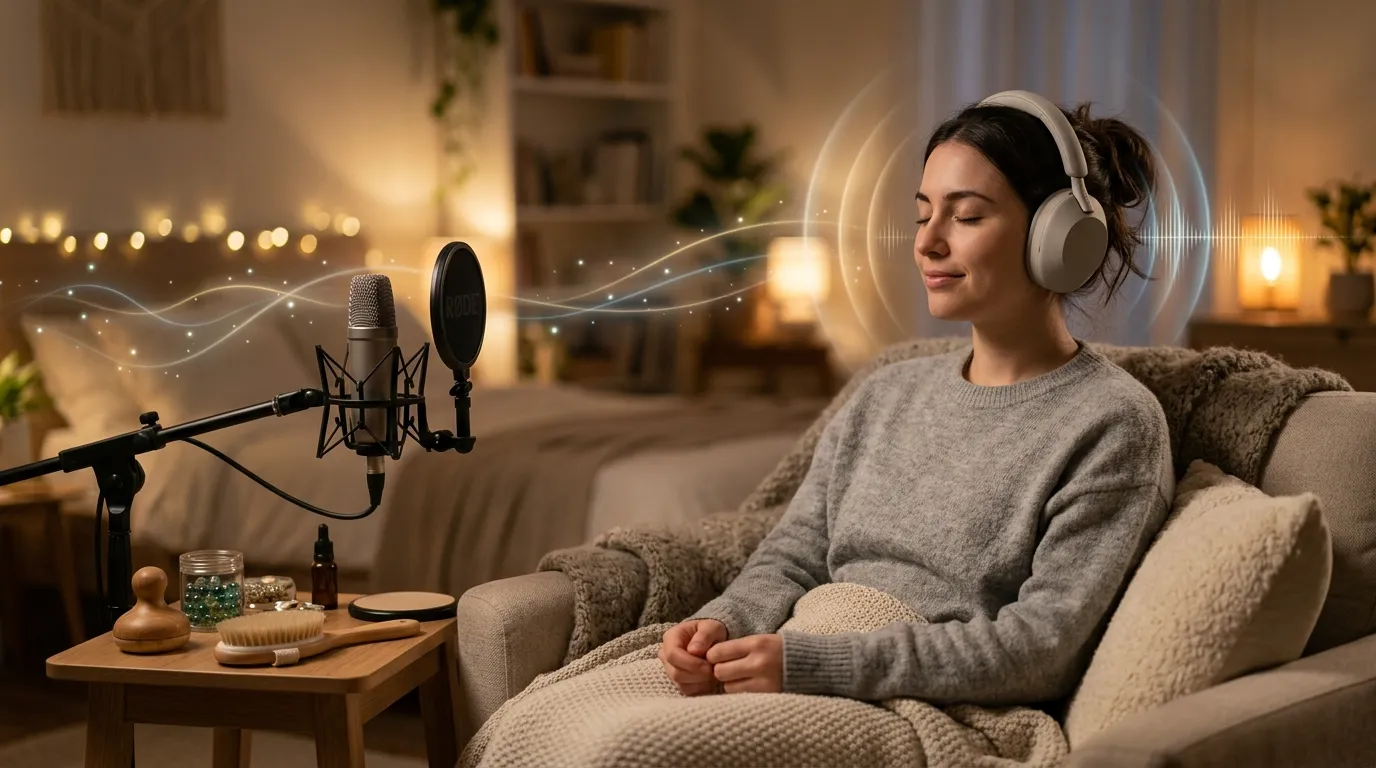
I first came across the term ASMR when I was having trouble relaxing at night. My mind would stay busy, and even when I was tired, I found it difficult to switch off and sleep. One evening, I was scrolling through videos when I noticed people talking about ASMR. At first, I had no idea what it meant or why so many people enjoyed it.
Out of curiosity, I clicked on an ASMR video. I heard whispers, gentle tapping, and quiet sounds that felt surprisingly calming. I started wondering why these simple sounds were making me feel relaxed. That is when I decided to learn more about ASMR meaning and how it works.
After trying different types of ASMR, I found a few sounds that helped me feel calmer before bed. I also realized that ASMR can mean different things to different people. In this article, I’ll explain what ASMR means, how it feels, and why people enjoy it.
What Does ASMR Mean?
ASMR means Autonomous Sensory Meridian Response.
In simple words, ASMR is a pleasant and calming response that some people experience when exposed to specific sounds, sights, or gentle interactions.
The experience often starts with a tingling sensation around the scalp or head. The feeling may then move toward the neck, shoulders, or upper back.
For some people, ASMR feels like a gentle wave of relaxation. For others, it may feel like pleasant tingles or sleepiness.
Not everyone experiences ASMR in the same way. Some people feel strong tingles, while others simply feel relaxed. Some people do not experience ASMR at all, and that is completely normal.
What Does ASMR Stand For?
ASMR is short for Autonomous Sensory Meridian Response.
Here is a simple explanation of each word:
- Autonomous: The response happens naturally or automatically.
- Sensory: It involves the senses, such as hearing or sight.
- Meridian: This word is used to describe a peak or high point.
- Response: It is the body’s reaction to a particular trigger.
The full phrase may sound complicated, but the basic idea is simple: ASMR is a calming sensory response that some people experience from certain triggers.
What Is ASMR in Simple Words?
If you want the easiest possible ASMR definition, think of it this way:
ASMR is a relaxing feeling that some people get from certain sounds, sights, or gentle interactions.
For example, imagine someone quietly whispering while turning the pages of a book. If those sounds make you feel calm or give you pleasant tingles, you may be experiencing ASMR.
Common examples include:
- Soft whispering
- Gentle tapping
- Page turning
- Hair brushing
- Quiet typing
- Crinkling paper
- Soft speaking
- Slow hand movements
- Rain sounds
- Personal-attention roleplays
What Does ASMR Feel Like?
ASMR can feel different for each person.
The most common experience is a gentle tingling sensation. This feeling often begins around the scalp, head, or neck.
Some people describe ASMR as:
- A pleasant head tingle
- A warm or calming feeling
- Relaxation
- Sleepiness
- Gentle chills
- A feeling of comfort
- Reduced mental tension
- A peaceful state
The tingling may last for a few seconds or continue for several minutes, depending on the person and the trigger.
Some people may not feel tingles at all. They may simply find ASMR sounds peaceful and relaxing.
What Causes ASMR?
ASMR can be triggered by many different sounds, movements, and situations.
The most common ASMR triggers include:
Whispering
Whispering is one of the most popular ASMR triggers. Many ASMR creators use quiet voices because some listeners find them calming.
Tapping
Tapping on objects such as wood, glass, plastic, or books is another popular trigger.
Soft Speaking
Not everyone enjoys whispering. Some people prefer a gentle, quiet speaking voice.
Brushing Sounds
Hair brushing, makeup brushing, or microphone brushing can create soft repetitive sounds that some people find relaxing.
Crinkling
Paper, plastic packaging, wrappers, and other materials can create distinctive sounds that may trigger ASMR.
Page Turning
The soft sound of turning pages is a simple everyday example of a potential ASMR trigger.
Repetitive Movements
Slow and repeated movements can also be visually relaxing for some people.
Personal Attention
Some people experience ASMR when someone gives them gentle, focused attention. This is why personal-attention roleplays are common in ASMR videos.
What Are the Most Popular ASMR Triggers?
There are many types of ASMR triggers, but some are especially popular online.
Here are common examples:
- Whispering
- Tapping
- Scratching
- Crinkling
- Soft speaking
- Page turning
- Typing
- Hair brushing
- Hand movements
- Personal attention
- Repetitive sounds
- Nature sounds
- Eating sounds
- Roleplay
- Drawing and writing sounds
Your favorite trigger may be completely different from someone else’s.
Why Do People Watch ASMR Videos?
People watch ASMR videos for different reasons.
One major reason is relaxation. Soft sounds and slow movements can create a peaceful environment after a busy day.
Other people watch ASMR because they enjoy the sounds themselves.
Common reasons include:
- Relaxing after work or school
- Preparing for sleep
- Creating a calm environment
- Enjoying satisfying sounds
- Taking a break from daily stress
- Listening while resting
- Using background sounds while studying
- Enjoying personal-attention roleplays
ASMR is not equally effective for everyone. A sound that relaxes one person may annoy another.
What Are the Different Types of ASMR?
ASMR content comes in many forms.
Whispering ASMR
Whispering videos use very quiet voices. The creator may read a story, explain something, or simply speak softly.
Tapping ASMR
These videos focus on tapping different objects. The sounds may include slow or rhythmic tapping.
Roleplay ASMR
Roleplay videos create imaginary situations involving personal attention.
Examples include:
- Doctor roleplays
- Hair salon roleplays
- Spa roleplays
- Eye examination roleplays
- Personal care roleplays
Eating ASMR
Eating ASMR focuses on sounds created while eating. Some people enjoy these sounds, while others strongly dislike them.
Sleep ASMR
Sleep-focused ASMR often uses slow speech, gentle sounds, and repetitive triggers to create a relaxing bedtime atmosphere.
Nature ASMR
Nature-based ASMR can include:
- Rain
- Ocean waves
- Birds
- Wind
- Flowing water
- Forest sounds
Visual ASMR
Not all ASMR depends on sound. Some people respond to slow hand movements, careful actions, or repetitive visual patterns.
Why Does ASMR Make You Tingle?
One of the most common questions about ASMR is why it creates tingles.
The exact reason is not completely understood. ASMR appears to involve a combination of sensory attention, emotional response, and relaxation.
When someone hears a trigger they enjoy, they may become highly focused on the sound. The brain and body can then respond with a pleasant feeling of calmness or tingling.
However, the experience varies greatly from person to person.
A whisper may create strong tingles for one person but produce no reaction in another.
Is ASMR Real?
Yes. ASMR is a real reported sensory experience.
Many people describe experiencing tingling, calmness, relaxation, or pleasant sensations in response to particular triggers.
However, ASMR is not something everyone experiences.
Some people get strong tingles. Some only feel relaxed. Others feel nothing at all.
Scientific research into ASMR is still developing, so there is much more to learn about why certain people experience it and why specific triggers work for them.
Can ASMR Help You Sleep?
Many people use ASMR as part of their bedtime routine.
Soft sounds, slow movements, gentle voices, and repetitive patterns may help some listeners create a relaxing environment before bed.
Popular sleep-related ASMR triggers include:
- Whispering
- Soft speaking
- Rain sounds
- Gentle tapping
- Page turning
- Hair brushing sounds
- Slow roleplays
- Quiet repetitive sounds
ASMR should not be viewed as a guaranteed sleep solution. It works well for some people but not for everyone.
If you listen to ASMR at night, keep the volume comfortable and avoid sounds that make you more alert.
Is ASMR Good for You?
ASMR may be a useful relaxation activity for some people.
People commonly use ASMR to:
- Relax
- Unwind
- Create a peaceful environment
- Prepare for sleep
- Enjoy calming sounds
- Take a mental break
However, it is important not to treat ASMR as a medical treatment.
If someone has ongoing sleep, anxiety, or other health concerns, they should seek appropriate professional advice rather than relying only on ASMR.
ASMR and Stress
Some people use ASMR when they feel stressed or mentally tired.
Listening to familiar, gentle sounds may help create a quiet moment during a busy day.
For example, someone might listen to:
- Rain
- Whispering
- Soft music-like sounds
- Gentle tapping
- Nature sounds
- Slow speaking
The effect is personal. ASMR may feel calming to one person and uninteresting or irritating to another.
Why Do Some People Not Like ASMR?
Not everyone enjoys ASMR.
Some people dislike whispering, chewing, tapping, or other common triggers. Certain sounds may even feel irritating.
This is normal because everyone has different sensory preferences.
For example, one person may find chewing sounds relaxing while another person may immediately want to stop the video.
ASMR is a personal experience, so there is no correct or incorrect reaction.
ASMR vs. Misophonia
ASMR and misophonia are not the same thing.
ASMR generally involves pleasant or calming reactions to certain triggers.
Misophonia involves strong negative emotional reactions to particular sounds.
For example, a tapping sound may feel relaxing to someone who enjoys ASMR, while another person may find the same sound extremely irritating.
The important difference is the type of response.
ASMR vs. Ordinary Chills
ASMR tingles can sometimes feel similar to chills, but they are not always the same experience.
Ordinary chills may happen because of:
- Cold temperatures
- Strong emotions
- Music
- Fear
- Excitement
ASMR is usually associated with specific sensory triggers such as whispering, tapping, or personal attention.
Both experiences can involve unusual physical sensations, but they can have different causes.
Is ASMR a Medical Condition?
ASMR is generally described as a sensory phenomenon rather than a disease.
Experiencing ASMR does not automatically mean that something is wrong with you.
Likewise, not experiencing ASMR does not mean that anything is wrong.
People simply have different sensory and emotional responses to sounds and visual experiences.
The Science Behind ASMR
Researchers have studied ASMR to better understand why certain sounds and experiences can create tingling and relaxation.
Research has explored areas such as:
- Brain activity
- Attention
- Emotional response
- Sensory processing
- Relaxation
- Individual differences
The science is still developing. Researchers continue to investigate what happens in the brain during ASMR and why some people respond strongly while others do not.
Because research is ongoing, it is better to describe ASMR’s potential effects carefully rather than making strong medical claims.
History of ASMR
The idea of experiencing unusual pleasant sensations from sounds or interactions existed before the term ASMR became popular.
Online communities eventually began discussing these experiences and searching for a name to describe them.
The term Autonomous Sensory Meridian Response became widely used online.
As video platforms grew, creators began producing videos specifically designed around ASMR triggers.
YouTube played a major role in the growth of ASMR content. Later, short-form platforms helped introduce ASMR to even larger audiences.
Today, ASMR is a major type of online relaxation and entertainment content.
ASMR Meaning on TikTok and YouTube
On platforms such as TikTok and YouTube, ASMR usually refers to videos containing sounds, visuals, or roleplays designed to create a relaxing sensory experience.
You may see videos labeled:
- ASMR tapping
- ASMR whispering
- ASMR sleep
- ASMR eating
- ASMR roleplay
- ASMR satisfying sounds
- ASMR cleaning
- ASMR drawing
The word “ASMR” has become widely recognized online, even among people who do not personally experience ASMR tingles.
Examples of ASMR in Everyday Life
You do not always need an ASMR video to experience a potential trigger.
Everyday examples may include:
- Someone quietly reading
- Turning the pages of a book
- Writing with a pencil
- Typing on a keyboard
- Hearing rain against a window
- Getting your hair brushed
- Listening to soft speaking
- Watching someone carefully organize objects
- Hearing gentle paper sounds
- Listening to flowing water
Some people discover their ASMR triggers naturally through everyday experiences.
How to Find Your ASMR Triggers
If you want to discover what triggers ASMR for you, try different types of content.
Step 1: Start With Soft Sounds
Try whispering, soft speaking, or gentle nature sounds.
Step 2: Try Tapping
Listen to tapping on different materials and objects.
Step 3: Explore Visual Triggers
Try videos with slow hand movements or repetitive actions.
Step 4: Try Personal Attention
Roleplay videos may work well if you enjoy focused, gentle interactions.
Step 5: Notice Your Response
Pay attention to which sounds make you feel relaxed or create tingles.
Step 6: Avoid Unpleasant Triggers
If a particular sound makes you uncomfortable, simply choose another type of ASMR.
How to Listen to ASMR Safely
ASMR is generally consumed as audio or video content, but comfortable listening habits are still important.
Keep your headphone or speaker volume at a reasonable level. Extremely loud audio can harm hearing.
You can also take regular breaks, especially when using headphones for long periods.
Choose sounds that make you comfortable rather than forcing yourself to listen to a trigger you dislike.
Who Can Experience ASMR?
Almost anyone can potentially experience ASMR, but not everyone does.
People may have very different responses to the same trigger.
For example:
- Person A may get strong scalp tingles.
- Person B may simply feel relaxed.
- Person C may feel sleepy.
- Person D may feel nothing.
- Person E may find the sound irritating.
All of these reactions are possible.
FAQs:
What does ASMR mean?
ASMR stands for Autonomous Sensory Meridian Response. It describes a pleasant sensory experience that some people get from certain sounds, sights, or interactions.
What does ASMR stand for?
ASMR stands for Autonomous Sensory Meridian Response.
What does ASMR feel like?
ASMR may feel like tingling around the scalp, head, neck, or shoulders. Some people experience relaxation or sleepiness instead of noticeable tingles.
Why does ASMR make me tingle?
Certain sounds or visual triggers may create a sensory and emotional response that some people experience as pleasant tingling.
What are common ASMR triggers?
Common triggers include whispering, tapping, soft speaking, brushing sounds, crinkling, page turning, typing, repetitive movements, and personal attention.
Why do people watch ASMR?
People watch ASMR for different reasons, including relaxation, entertainment, sleep preparation, and enjoying particular sounds or visual triggers.
Can ASMR help you sleep?
Some people find ASMR relaxing before bed and use it as part of their sleep routine. However, it does not work for everyone.
Is ASMR real?
Yes. ASMR is a reported sensory experience experienced by many people, although not everyone experiences it.
Why don’t I get ASMR?
People have different sensory responses. Some people experience strong tingles, some only feel relaxed, and others do not experience ASMR at all.
Is ASMR the same as misophonia?
No. ASMR is generally associated with pleasant or relaxing responses, while misophonia involves strong negative reactions to particular sounds.
Can everyone experience ASMR?
No. ASMR is an individual experience, and some people do not experience the characteristic tingling sensation.
Is ASMR safe to listen to?
For most people, ASMR is simply a form of audio or visual entertainment and relaxation. Keep the volume comfortable and take breaks when needed.
Conclusion:
So, what does ASMR meaning really refer to?
ASMR stands for Autonomous Sensory Meridian Response. It describes a pleasant sensory experience that some people feel when exposed to specific sounds, sights, or interactions.
Whispering, tapping, soft speaking, brushing, page turning, repetitive movements, and personal attention are common ASMR triggers.
For some people, these triggers create tingles around the scalp, head, neck, or shoulders. Others simply experience relaxation or sleepiness. And some people do not experience ASMR at all.
The most important thing to remember is that ASMR is highly personal. A trigger that feels wonderfully relaxing to one person may feel boring or irritating to another.
If you enjoy whispering videos, tapping sounds, rain recordings, or ASMR roleplays, there are many ways to explore this popular sensory experience.